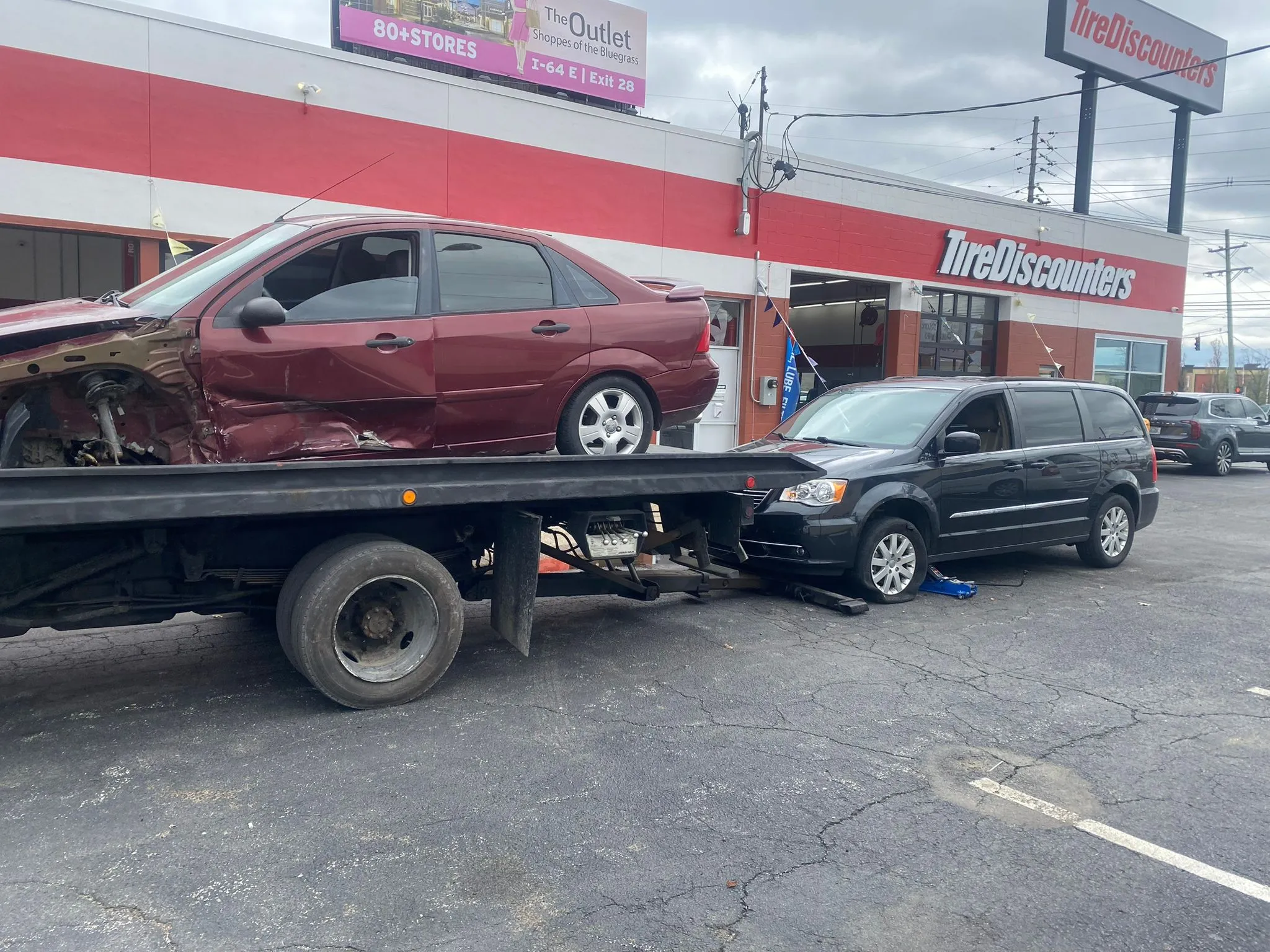
Louisville, Kentucky may not be the snowiest city in America, but the winter months bring their own set of driving challenges that catch many local drivers off guard. Ice storms, freezing rain, occasional snowfall, and dramatically cold temperatures can make Louisville roads treacherous from December through March. Every winter, Safe Towing LLC responds to dozens of calls from drivers who have slid off the road, gotten stuck, or been involved in weather-related accidents. This guide provides practical winter driving tips specifically for Louisville drivers to help you stay safe during the cold months.
Understanding Louisville winter weather is the foundation of winter driving preparedness. Unlike cities further north that get consistent heavy snowfall, Louisville sits in a transitional zone where winter precipitation often comes as a mix of rain, sleet, freezing rain, and snow. This mix is actually more dangerous than straight snowfall because it creates a layer of ice on road surfaces that is nearly invisible. Louisville averages about 12 inches of snow per year, but ice events are the real hazard. The Ohio River valley geography can trap cold air and create conditions that surprise drivers who are used to mild winter days.
Tip 1: Prepare your vehicle before winter arrives. The single most important thing Louisville drivers can do is ensure their vehicle is winter-ready before the first cold snap. This means checking your battery, as cold weather dramatically reduces battery capacity. A battery that seems fine in September may not have enough power to start your car on a 15-degree January morning. Have your battery tested at an auto parts store or mechanic. Check your tire tread depth. Kentucky does not require snow tires, but your all-season tires should have at least 4/32 of an inch of tread remaining for adequate traction on wet and icy surfaces. Check your antifreeze mixture to ensure it is rated for the temperatures Louisville can experience, which occasionally dip into the single digits. Replace worn windshield wipers and fill your washer fluid with a winter-rated formula that will not freeze.
Tip 2: Build a winter emergency kit for your car. Every Louisville driver should keep a winter emergency kit in their vehicle from November through March. This kit should include a flashlight with extra batteries, a first-aid kit, a warm blanket or sleeping bag, an ice scraper and snow brush, jumper cables, a bag of kitty litter or sand for traction, a phone charger, bottled water, non-perishable snacks, and road flares or reflective triangles. If you are stranded for an extended period, this kit can be the difference between a minor inconvenience and a dangerous situation.
Tip 3: Know the trouble spots on Louisville roads. Certain areas of Louisville are more prone to icing and winter driving hazards than others. Bridges and overpasses freeze before regular road surfaces because cold air circulates both above and below the roadway. Louisville has numerous bridges and overpasses on its interstates and major roads, including the Kennedy Bridge, the Sherman Minton Bridge, and countless overpass ramps throughout the highway system. The Watterson Expressway has multiple elevated sections that ice over quickly. Side streets and neighborhood roads in Louisville are the last to be treated by road crews, so they remain hazardous longer than main roads and highways.
Tip 4: Adjust your driving technique for winter conditions. The number one rule of winter driving is to slow down. Speed limits are set for ideal road conditions, and when roads are wet, icy, or snow-covered, you need to drive well below the posted limit. Increase your following distance to at least six seconds behind the car ahead of you, compared to the normal three seconds. This extra space gives you room to stop safely on slippery surfaces. Brake gently and steadily. If you feel your vehicle starting to skid, ease off the brakes and steer gently in the direction you want to go. Avoid sudden movements of the steering wheel, brake pedal, or accelerator, as these are what cause loss of control on icy surfaces.
Tip 5: Know when to stay home. Sometimes the safest winter driving tip is simply not to drive at all. Louisville employers and schools regularly close or delay openings during significant winter weather events for good reason. If road conditions are dangerous, staying home is the smartest option. Check the TRIMARC traffic cameras and the National Weather Service Louisville forecast before heading out during questionable weather. If you do not absolutely need to be on the road, wait until road crews have had time to treat the streets.
Tip 6: Know what to do if you slide off the road. Even experienced winter drivers can lose control on icy Louisville roads. If your vehicle slides off the road or into a ditch, stay calm. Do not spin your tires aggressively, as this will only dig you in deeper. Try rocking the vehicle gently by alternating between forward and reverse. If you cannot free the vehicle, turn on your hazard lights and call for help. Safe Towing LLC provides winch-out service 24 hours a day throughout Louisville. We can extract your vehicle from ditches, snowbanks, muddy shoulders, and other situations. Call us at (502) 784-3148 and we will have a truck to your location quickly.
Tip 7: Watch out for black ice. Black ice is the most dangerous winter road hazard in Louisville. It is a thin, nearly invisible layer of ice that forms on road surfaces, especially during early morning hours when temperatures drop below freezing. Black ice commonly forms on bridges, shaded road sections, and areas where water collects and freezes. It looks just like a wet road surface, making it nearly impossible to see before you are on it. The best defense against black ice is to assume that any wet-looking road surface could be icy when temperatures are near or below 32 degrees.
Tip 8: Maintain your vehicle throughout winter. Winter maintenance is an ongoing process, not a one-time task. Check your tire pressure regularly, as cold weather causes tire pressure to drop. For every 10-degree decrease in temperature, your tires lose about 1 PSI. Underinflated tires have reduced traction and are more prone to damage from potholes, which are abundant on Louisville roads during and after winter. Keep your gas tank at least half full to prevent fuel line freezing and to ensure you have enough fuel if you are stranded.
Louisville winter weather can change rapidly, sometimes going from clear skies to icy roads within hours. The Ohio River valley's geography creates microclimates that can produce significantly different conditions across the metro area. It is not unusual for roads to be clear in Jeffersontown while bridges downtown are glazed with ice.
If you find yourself in a winter driving emergency in Louisville, Safe Towing LLC is here to help 24 hours a day, 7 days a week. From jump starts on cold mornings to winch-outs from icy ditches to towing after winter accidents, we handle it all. We are based at 4623 Illinois Ave, Louisville, KY 40213, centrally located to reach any part of Louisville quickly. Our phone number is (502) 784-3148. Stay safe on Louisville roads this winter, and save our number just in case.
Need Help? Call Safe Towing LLC
Available 24/7 throughout Louisville, KY. $100 base fee, first 5 miles free, $4/mile after. Rated 5 stars across 44+ Google reviews.